Tustin Digital Motion X-Ray: See Your Spine Move in Real Time
Tustin Digital Motion X-Ray: See Your Spine Move in Real Time
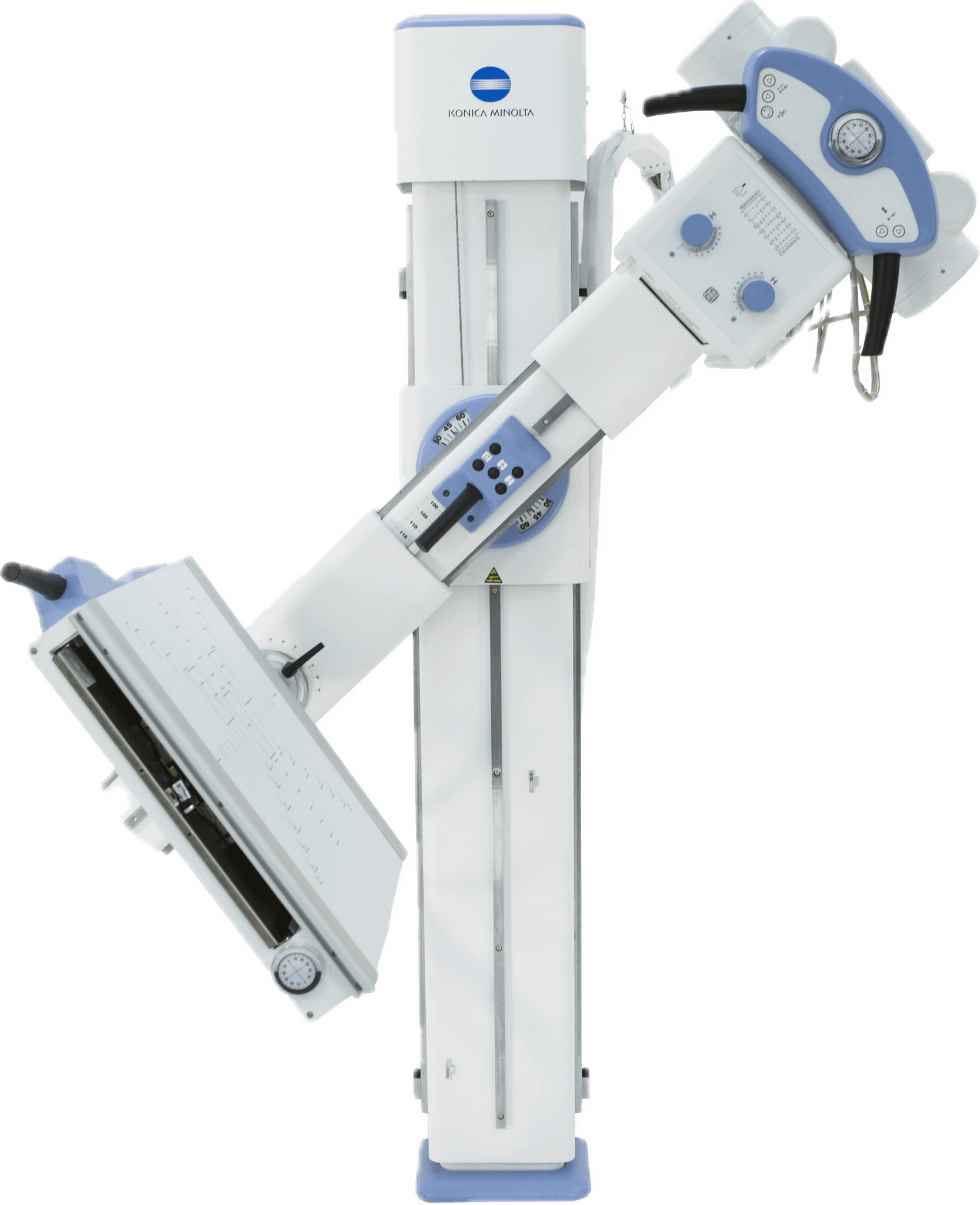
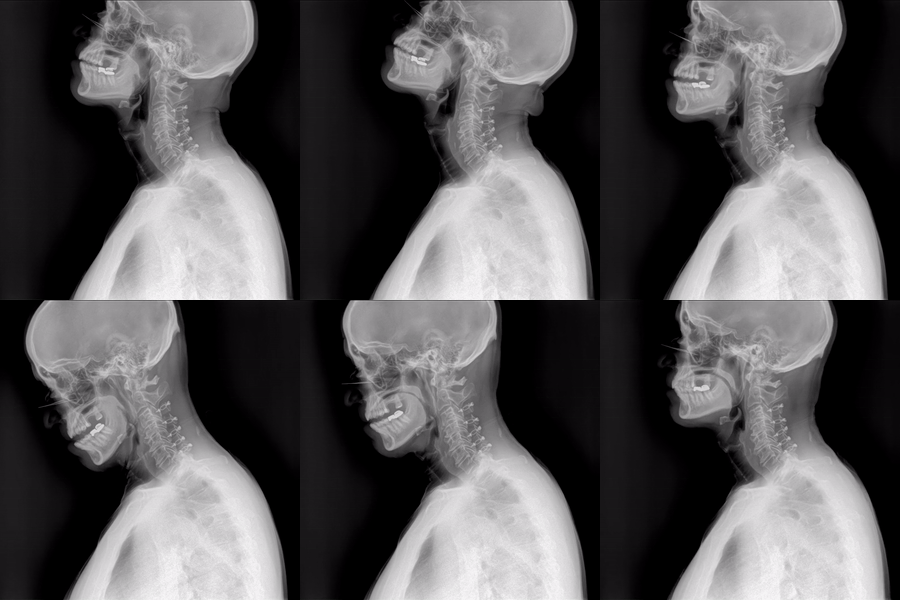
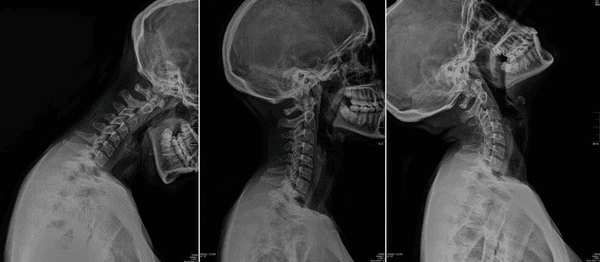
Heem Health offers in-motion digital X-ray using Dynamic Digital Radiography (DDR) at its Tustin clinic. DDR records a sequence of X-ray images while you move, so your clinician can see how the spine functions during motion rather than relying on still images alone. This helps pinpoint movement-based issues that may otherwise go undetected.
Heem Health offers in-motion digital X-ray using Dynamic Digital Radiography (DDR) at its Tustin clinic. DDR records a sequence of X-ray images while you move, so your clinician can see how the spine functions during motion rather than relying on still images alone. This helps pinpoint movement-based issues that may otherwise go undetected.
What In-Motion X-Ray Shows That a Still X-Ray Can’t
What In-Motion X-Ray Shows That a Still X-Ray Can’t
Many spinal issues occur during movement, not while standing still. In-Motion X-Ray captures the spine through functional ranges of motion, providing insight into:
Many spinal issues occur during movement, not while standing still. In-Motion X-Ray captures the spine through functional ranges of motion, providing insight into:
Segmental instability
Abnormal joint mechanics
Movement-based compensations
Restrictions that may contribute to persistent symptoms
Segmental instability
Abnormal joint mechanics
Movement-based compensations
Restrictions that may contribute to persistent symptoms
DDR Compared With Flexion-Extension X-Rays and MRI
DDR Compared With Flexion-Extension X-Rays and MRI
DDR Compared With Flexion-Extension X-Rays and MRI
A flexion-extension X-ray is two still images, taken at the end of bending forward and bending back. DDR records the movement between those positions as a sequence of images, so the path of motion at each segment can be reviewed. MRI shows soft tissue in detail while you lie still. Each answers a different question, and in-motion X-ray is used alongside them when motion is the question. Findings are reviewed directly with patients.
When Imaging May Be Recommended
When Imaging May Be Recommended
When Imaging May Be Recommended
Not every patient requires advanced imaging. When recommended, it is based on clinical findings, history, and response to care. Imaging is used selectively and responsibly to gather meaningful information that supports better decision-making. Imaging is performed when clinically indicated, following your evaluation or review of a referral from your provider.
How Motion X-Ray Guides Chiropractic Care
How Motion X-Ray Guides Chiropractic Care
Chiropractic Care Planning
Imaging findings help inform how chiropractic care is planned and applied. By understanding how joints move during real-time motion, care can be tailored to address specific areas of restriction, instability, or abnormal mechanics rather than relying on generalized approaches.
This allows for more intentional adjustments based on observed movement patterns.
Chiropractic Care Planning
Imaging findings help inform how chiropractic care is planned and applied. By understanding how joints move during real-time motion, care can be tailored to address specific areas of restriction, instability, or abnormal mechanics rather than relying on generalized approaches.
This allows for more intentional adjustments based on observed movement patterns.
Chiropractic Care Planning
Imaging findings help inform how chiropractic care is planned and applied. By understanding how joints move during real-time motion, care can be tailored to address specific areas of restriction, instability, or abnormal mechanics rather than relying on generalized approaches.
This allows for more intentional adjustments based on observed movement patterns.
Selection of Appropriate Supportive Therapies
Imaging data helps guide the selection of supportive therapies by clarifying which tissues or movement patterns may benefit from additional support. Rather than applying therapies broadly, recommendations are made based on observed findings and individual presentation.
This supports a more focused and purposeful use of ancillary care.
Selection of Appropriate Supportive Therapies
Imaging data helps guide the selection of supportive therapies by clarifying which tissues or movement patterns may benefit from additional support. Rather than applying therapies broadly, recommendations are made based on observed findings and individual presentation.
This supports a more focused and purposeful use of ancillary care.
Objective Baseline Measurements
In-Motion X-Ray provides objective baseline measurements of spinal movement. These measurements establish a reference point that helps clinicians understand current function and track meaningful changes over time.
Having objective data supports clearer clinical reasoning and patient education.
Objective Baseline Measurements
In-Motion X-Ray provides objective baseline measurements of spinal movement. These measurements establish a reference point that helps clinicians understand current function and track meaningful changes over time.
Having objective data supports clearer clinical reasoning and patient education.
Objective Baseline Measurements
In-Motion X-Ray provides objective baseline measurements of spinal movement. These measurements establish a reference point that helps clinicians understand current function and track meaningful changes over time.
Having objective data supports clearer clinical reasoning and patient education.
Ongoing Evaluation of Movement Over Time
When appropriate, imaging can be used to evaluate changes in movement patterns over time. This allows clinicians to assess how care strategies are influencing joint motion and overall function, supporting informed adjustments to care plans as needed.
The goal is ongoing evaluation, not assumptions, based on observable movement data.
Ongoing Evaluation of Movement Over Time
When appropriate, imaging can be used to evaluate changes in movement patterns over time. This allows clinicians to assess how care strategies are influencing joint motion and overall function, supporting informed adjustments to care plans as needed.
The goal is ongoing evaluation, not assumptions, based on observable movement data.
Motion X-Ray FAQs
Motion X-Ray FAQs
Motion X-Ray FAQs
What Is Dynamic Digital Radiography (DDR)?
Dynamic Digital Radiography is a digital X-ray technique that records a rapid series of images while you move and plays them back as a sequence. It shows how each segment of the spine moves through a motion, which a single still X-ray cannot capture. Heem Health uses DDR for in-motion X-ray at its Tustin clinic.
How Is Motion X-Ray Different From a Regular X-Ray or MRI?
A regular X-ray captures one still position, and an MRI images soft tissue in detail while you lie still. Motion X-ray records the spine as it moves, so it can show a segment that shifts too much or too little during bending. It adds information about motion and does not replace an X-ray or MRI when those are needed.
What Is a Flexion-Extension X-Ray?
A flexion-extension X-ray is a pair of still images taken with the spine bent forward and bent back, used to look for abnormal movement between vertebrae. In-motion DDR captures the whole movement between those two end positions, so motion in the middle of the range can be reviewed as well.
Do Chiropractors Take X-Rays?
Chiropractors are trained to order and read X-rays, and some clinics have imaging on site. Heem Health offers in-motion DDR X-ray at its Tustin clinic when it is clinically indicated, and findings are reviewed with you directly. Imaging is used selectively, and not every patient needs it.
Is In-Motion X-Ray Safe?
In-motion X-ray uses ionizing radiation, as all X-rays do, so it is used selectively, when the findings are expected to inform your care. Tell the clinic before imaging if you are or may be pregnant. The decision to image is made with you after your evaluation.
Do I Need a Referral for Motion X-Ray?
No referral is needed to be evaluated at Heem Health. Imaging is performed when clinically indicated, following your evaluation or review of a referral from your provider. Healthcare providers can fax referrals using the details on our referrals page.
Motion X-ray findings guide chiropractic care and supportive therapies at Heem Health. Healthcare providers can refer patients through our referrals page.
The information on this page is for educational purposes and is not medical advice.
What Is Dynamic Digital Radiography (DDR)?
Dynamic Digital Radiography is a digital X-ray technique that records a rapid series of images while you move and plays them back as a sequence. It shows how each segment of the spine moves through a motion, which a single still X-ray cannot capture. Heem Health uses DDR for in-motion X-ray at its Tustin clinic.
How Is Motion X-Ray Different From a Regular X-Ray or MRI?
A regular X-ray captures one still position, and an MRI images soft tissue in detail while you lie still. Motion X-ray records the spine as it moves, so it can show a segment that shifts too much or too little during bending. It adds information about motion and does not replace an X-ray or MRI when those are needed.
What Is a Flexion-Extension X-Ray?
A flexion-extension X-ray is a pair of still images taken with the spine bent forward and bent back, used to look for abnormal movement between vertebrae. In-motion DDR captures the whole movement between those two end positions, so motion in the middle of the range can be reviewed as well.
Do Chiropractors Take X-Rays?
Chiropractors are trained to order and read X-rays, and some clinics have imaging on site. Heem Health offers in-motion DDR X-ray at its Tustin clinic when it is clinically indicated, and findings are reviewed with you directly. Imaging is used selectively, and not every patient needs it.
Is In-Motion X-Ray Safe?
In-motion X-ray uses ionizing radiation, as all X-rays do, so it is used selectively, when the findings are expected to inform your care. Tell the clinic before imaging if you are or may be pregnant. The decision to image is made with you after your evaluation.
Do I Need a Referral for Motion X-Ray?
No referral is needed to be evaluated at Heem Health. Imaging is performed when clinically indicated, following your evaluation or review of a referral from your provider. Healthcare providers can fax referrals using the details on our referrals page.
Motion X-ray findings guide chiropractic care and supportive therapies at Heem Health. Healthcare providers can refer patients through our referrals page.
The information on this page is for educational purposes and is not medical advice.
Book a free evaluation with Dr. Park
Tell us what is going on and our team will reach out to schedule your first visit. Prefer to talk? Call 714-441-9455.
Book a free evaluation with Dr. Park
Tell us what is going on and our team will reach out to schedule your first visit. Prefer to talk? Call 714-441-9455.
Book a free evaluation with Dr. Park
Tell us what is going on and our team will reach out to schedule your first visit. Prefer to talk? Call 714-441-9455.